
Air Compressor Performance Testing
in Vapi
Gujarat
Flow · Leak Rate · ISO 8573 Air Quality · Energy Audit · Vapi · Silvassa · Daman · Surat

Know exactly what your compressed air system is delivering. Pressure, flow, leak rate, ISO 8573 air quality and energy consumption — measured, documented and certified. Vapi · Silvassa · Daman · Surat.
- Flow & pressure testing
- ISO 8573 air quality classification
- Leak detection
- Written test certificate
On Every Test
- Actual flow rate vs rated capacity (CFM / m³/min)
- Discharge pressure at full load vs rated bar
- Air leak rate — % of total output lost to leaks
- ISO 8573 air quality — oil, particles, moisture
- Energy consumption — kWh per m³ of air produced
- Specific Power — efficiency benchmark vs nameplate
3 Things Your Factory Believes About Its Compressed Air System That Are Probably Wrong
Most factories in Vapi GIDC assume their compressed air system is performing correctly because production is running. That assumption is almost always wrong.
"Running" and "Performing" Are Not the Same
A compressor rated at 300 CFM might be delivering only 220 CFM — a 27% shortfall — with no alarm ever triggering. A performance test takes 2–3 hours and tells you exactly where your system stands. The shortfall is almost never the compressor itself.
Air Leaks Are Stealing 20–40% of Your Bill
20–40% of all compressed air generated typically never reaches any productive use — lost through leaks that are inaudible in a running factory. Factories that fix high-priority leaks after a test typically cut their electricity bill by 15–25%.
The Certificate Is on the Wall, the Air Was Never Tested
Documentation may still say Class 0 while the air at the point of use has drifted to Class 3 or worse. A performance test measures actual air quality and produces current, live audit evidence.
What Our Performance Test Measures
Calibrated instruments, objective measurements at multiple points in your system.
Compressor Output — Flow Rate
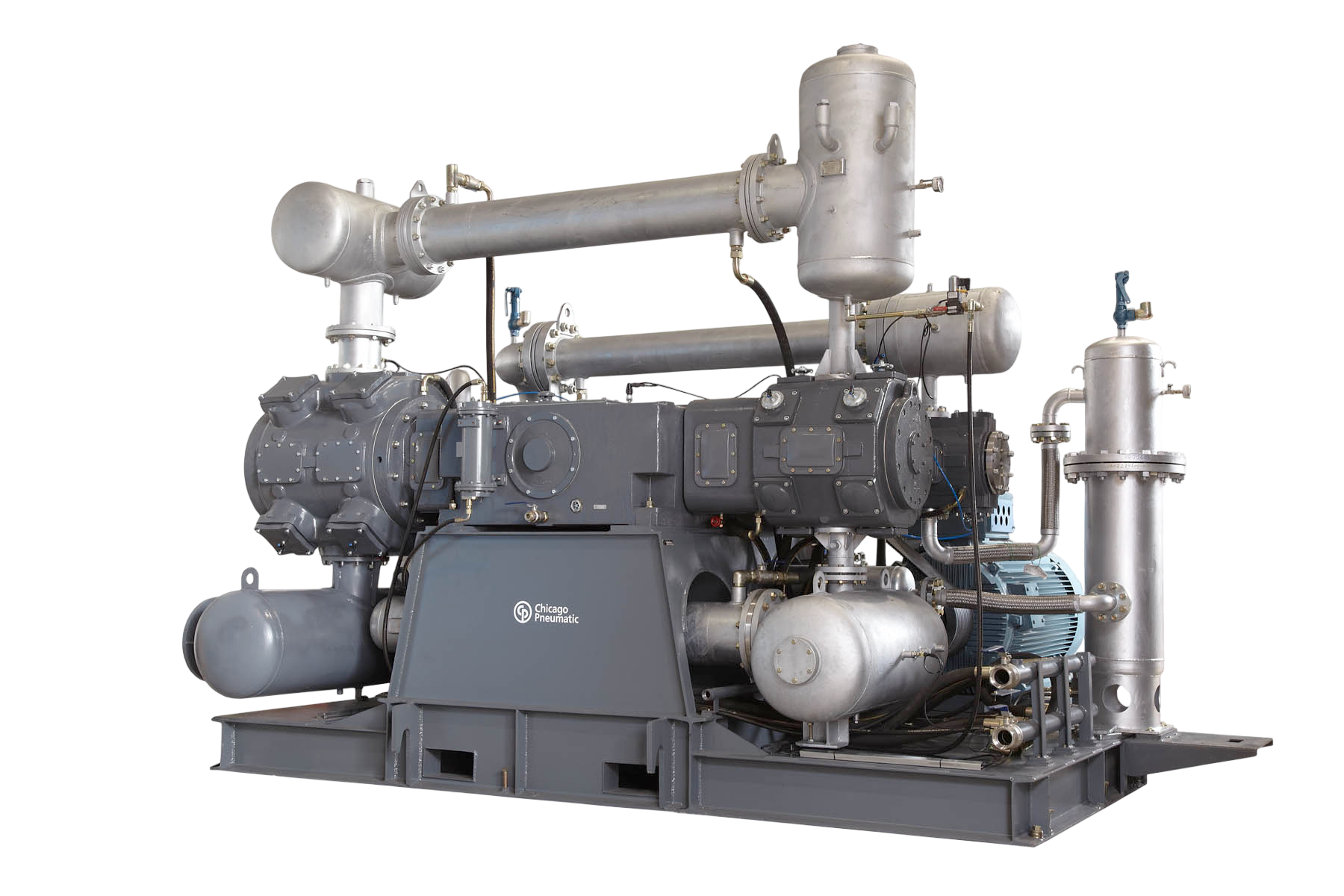
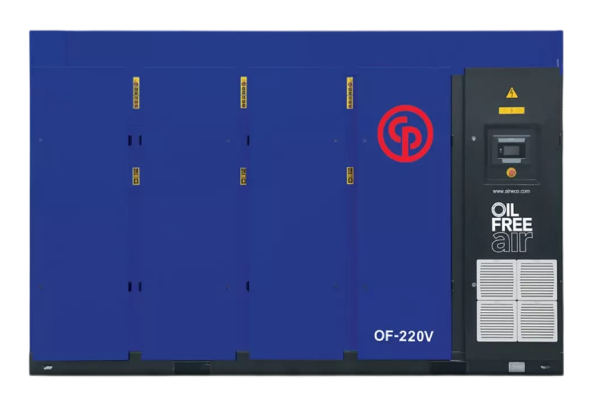
Actual free air delivery (FAD) measured in m³/min or CFM against manufacturer rated capacity. Volumetric efficiency also calculated for reciprocating units.
System Pressure Drop
Pressure measured at discharge and multiple downstream points. A correctly designed system should have less than 0.3 bar total drop from compressor to user.
System Leak Test
Pressure decay measured during shutdown to calculate total leak rate as a % of output, plus ultrasonic detection to locate and prioritise individual leak points.
ISO 8573 Air Quality
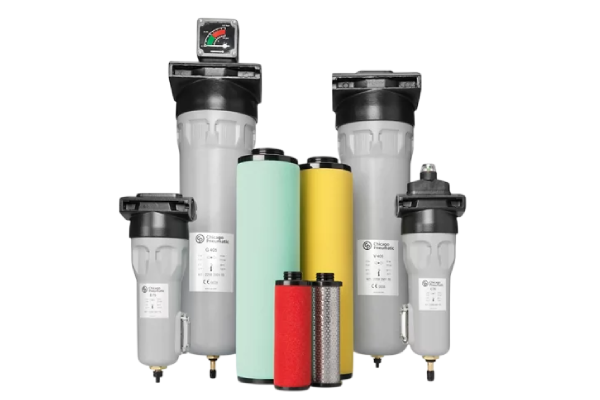
Oil content down to 0.01 mg/m³, particle count and size, and pressure dewpoint measured and classified against the ISO 8573 scale.
Energy Audit — Specific Power
Electricity consumption (kWh) measured against air output (m³) and compared to the manufacturer's rated Specific Power for your model.
Temperature Profile
Readings at inlet, interstage, discharge and oil temperature — early warning signs of problems caught before they become a breakdown.
How Much Is Your Factory Losing to Air Leaks?
A typical industrial system in Vapi loses 20–40% of its output through leaks — most inaudible during production. For a factory running a 100 HP compressor:
Based on a 100 HP compressor, ₹8/kWh, 20 hr/day, 300 working days/year.
ISO 8573 Air Quality Classes — What They Mean for Your Industry
The international standard classifying compressed air purity. We test and certify against these classes.
| ISO 8573 Class | Oil Content (mg/m³) | Particles (0.1–0.5 µm) | Pressure Dewpoint | Who Needs It |
|---|---|---|---|---|
| Class 0 | As specified (essentially zero) | As specified | As specified | Pharma (WHO GMP), food direct contact, electronics |
| Class 1 | 0.01 mg/m³ | ≤ 20,000/m³ | −70°C | Pharma instrument air, high-purity food |
| Class 2 | 0.1 mg/m³ | ≤ 400,000/m³ | −40°C | Paint booths, sensitive instruments, food packaging |
| Class 3 | 1 mg/m³ | ≤ 90 million/m³ | −20°C | General industrial processes |
| Class 4 | 5 mg/m³ | ≤ 10 million/m³ | +3°C | Pneumatic tools, general workshop use |
If your industry requires Class 0 or Class 1 and your air has never been tested since installation, call +91 90999 72929. A single test takes 2–3 hours and produces a certificate valid for regulatory audits.
6 Situations Where a Performance Test Is Needed Immediately
Pharma Plant Before GMP Audit
Drug inspectors increasingly ask for compressed air quality certificates, not just equipment documentation.
Electricity Bill Increased Unexplained
Almost always a leak rate issue or compressor efficiency degradation.
Machines Not Getting Enough Pressure
A test identifies whether the issue is compressor output or distribution system pressure drop.
Food Plant Before FSSAI Audit
FSSAI auditors require evidence that compressed air in contact with food is oil-free and clean.
Before Adding a New Compressor
Often reveals existing capacity being wasted to leaks — fixing them may remove the need for a second unit entirely.
Annual Energy Audit Requirement
Plants under BEE or ISO 50001 energy management need documented energy performance data.
What You Receive After the Performance Test
- Actual flow rate (FAD) vs rated capacity in m³/min or CFM
- Pressure readings at discharge, receiver, header and point-of-use
- Pressure drop across each section of the distribution system
- System leak rate as a percentage of total compressor output
- Prioritised leak repair list (high, medium, low priority)
- ISO 8573 air quality classification for oil, particles and moisture
- Specific Power (kWh/m³) vs manufacturer specification
- Temperature profile at all key measurement points
- Corrective action recommendations with priority ranking
- Test certificate signed by RR Enterprise engineer — valid for audits
Frequently Asked Questions — Compressed Air Performance Testing in Vapi
Questions from maintenance engineers, plant managers and purchase heads in Vapi GIDC, Silvassa and Daman.
Performance testing is a systematic measurement of your compressed air system's actual output, efficiency, leak rate, air quality and energy consumption using calibrated instruments. Any factory in Vapi where the compressor has not been tested since installation, where the electricity bill has increased, where downstream machines aren't getting enough pressure, or where a GMP/FSSAI audit is approaching should commission a test. It takes 2–3 hours on site and produces a written certificate.