
Air Compressor for
Engineering & Fabrication
in Vapi — Sandblasting | Plasma | Tools
Correctly sized compressors for sandblasting, plasma cutting and pneumatic tools in engineering and fabrication workshops in Vapi and Silvassa. Clean dry air for plasma cutting and spray painting. R R Enterprise — ISO 9001:2015 · MSME · Authorised CP Dealer.
Engineering & Fab
Tier 2 — High PriorityWhy Fabrication Workshops in Vapi Need a Correctly Sized Compressed Air System
Vapi GIDC and the Silvassa industrial area host a large cluster of engineering and metal fabrication workshops supplying equipment, structures and components to the chemical, pharmaceutical, food, agrochemical and infrastructure sectors. The cluster includes pressure vessel manufacturers, structural steel fabricators, heat exchanger manufacturers, industrial equipment fabricators, and general engineering workshops providing cutting, welding, grinding and assembly services.
Compressed air in a fabrication workshop is the backbone of production — pneumatic tools, sandblasting, plasma cutting and paint spraying all depend on it. The defining challenge for engineering and fabrication shops is demand variability. Unlike a pharmaceutical plant where instrument air demand is steady and predictable, or a paper machine that runs continuously, a fabrication workshop has highly variable, peak-heavy compressed air demand. When multiple sandblasters, grinders and plasma cutters operate simultaneously, the demand can spike to 5–10 times the average.
R R Enterprise serves engineering and fabrication workshops in Vapi and Silvassa as Authorised Chicago Pneumatic Compressors Dealer, supplying correctly sized screw compressors and reciprocating compressors with receiver tanks, refrigeration dryers and filtration sized for the specific demands of fabrication shop applications. We manufacture reciprocating air compressors at our ISO 9001:2015 certified Vapi GIDC facility for smaller fabrication workshops.
Compressed Air Demand by Fabrication Shop Application
| Application | Air Demand | Pressure | Air Quality | Common Sizing Mistake |
|---|---|---|---|---|
| Sandblasting (#6 nozzle) | 850–1,000 LPM | 6–7 bar | Standard + Dryer | Using an undersized compressor — blast pressure drops and surface prep is incomplete |
| Plasma cutting (100A) | 400–600 LPM | 5–6 bar | Oil-free + Dry | Using the same oily shop air — consumables fail in 20–50 cuts instead of 200–400 |
| Angle grinder (3HP) | 200–300 LPM | 6–7 bar | Standard | Running multiple grinders off one small compressor — pressure drop drops grinding speed |
| Impact wrench | 150–250 LPM | 6–7 bar | Standard | Usually well-served by workshop compressor |
| Paint spray gun (HVLP) | 80–150 LPM | 2–4 bar | Oil-free + Dry | Using the same oily shop air — fish eyes and paint adhesion failure on metal surfaces |
| Air chisel / die grinder | 60–150 LPM | 6–7 bar | Standard | Usually well-served by workshop compressor |
3 Compressed Air Problems Specific to Engineering and Fabrication Workshops in Vapi
These problems are specific to engineering and fabrication — not shared with chemical plants, textile mills or food factories.
Sandblasting Is the Most Air-Intensive Operation — and Most Fabrication Shops Are Undersized for It
Sandblasting (abrasive blasting) for surface preparation of steel structures and pressure vessels before painting is the most compressed air-intensive operation in any fabrication workshop. A single sandblast pot with a #6 nozzle requires 850–1,000 litres per minute (approximately 30–35 cfm) of compressed air at 6–7 bar. Most engineering workshops in Vapi use the same compressor for all shop operations, including sandblasting. When the sandblast gun opens, the demand surge is so large that the compressor cannot keep up, the pressure drops to 3–4 bar at the gun, and the blasting becomes ineffective. At reduced pressure, the abrasive particles do not have sufficient velocity to create the required blast profile on the steel surface, and the surface preparation is below the specification required for the painting primer (typically Sa 2.5 or Sa 3 per ISO 8501). Poor surface preparation is the primary cause of premature coating failure on fabricated steel structures — painting over incompletely blasted steel results in under-film rusting within months. A compressor sized for the actual sandblasting air demand — with a large receiver tank for peak demand handling — is the correct solution.
Oil and Moisture in Compressed Air Ruins Plasma Cutter Consumables and Paint Finish
Two applications in a fabrication workshop are particularly sensitive to compressed air quality and both suffer if the same contaminated shop air is used. First — Plasma cutting: The plasma cutting torch uses compressed air both as the plasma gas (the ionised gas that conducts the cutting arc) and as the shield gas around the cut. Oil aerosols and water droplets in the plasma air quench the cutting arc, making it unstable. The result is rough cut edges, excessive dross (solidified spatter) on the underside of the plate, and dramatically accelerated consumable wear. A plasma torch nozzle and electrode set that would last 200–400 cuts with clean dry air fails after just 20–50 cuts when the air is contaminated with oil or moisture. At ₹200–500 per consumable set, this 4–8 times higher consumable cost adds up quickly. Second — Paint spraying: Oil in the spray gun air causes fish eye defects on the painted metal surface — all painted components on a steel structure must be re-stripped and repainted, which is extremely time-consuming for large fabricated items.
Pressure Drops When Multiple Tools Run Simultaneously — Every Tool in the Workshop Suffers
Engineering and fabrication workshops have multiple operators working simultaneously on different jobs at different points around the workshop. When two or three heavy pneumatic tools — angle grinders, sandblasters, and a plasma cutter — operate at the same time, the combined demand may exceed the compressor's output capacity. The result is a pressure drop across the entire workshop. Every tool connected to the compressed air network loses performance simultaneously: the sandblaster loses blast velocity, the angle grinder slows down and loses cutting torque, the plasma cutter begins to cut poorly. In a fabrication shop where operators are paid on a time basis or production target, a compressor that cannot maintain pressure during peak demand makes every job take longer. The solution is a correctly sized compressor — sized not for average demand but for peak simultaneous demand — with a large enough receiver tank to smooth out the peak demand spikes without affecting shop pressure.
How R R Enterprise Solves Each of These Problems
R R Enterprise sizes the compressor for your actual sandblasting air demand: number of sandblast pots, nozzle sizes, and pipe length to the blast area. We size the receiver tank for peak demand buffer. Correct sizing means consistent blast pressure at Sa 2.5 or Sa 3 surface preparation specification throughout the blasting cycle.
A refrigeration air dryer removes moisture before it reaches the plasma cutter and paint gun supply. A coalescing filter followed by an activated carbon filter removes oil from the supply to these quality-sensitive tools. Clean dry air extends plasma consumable life 4–8 times and eliminates fish eye paint defects.
R R Enterprise sizes the compressor for the workshop’s peak simultaneous demand – not average demand. A properly sized receiver tank absorbs the peak demand spikes so the workshop pressure remains stable whether one or five tools are in use at the same time. Free demand assessment for fabrication workshops in Vapi.
Products We Supply to Engineering and Fabrication Workshops in Vapi
Chicago Pneumatic (Authorised Cp Dealer)
Authorised CP Dealer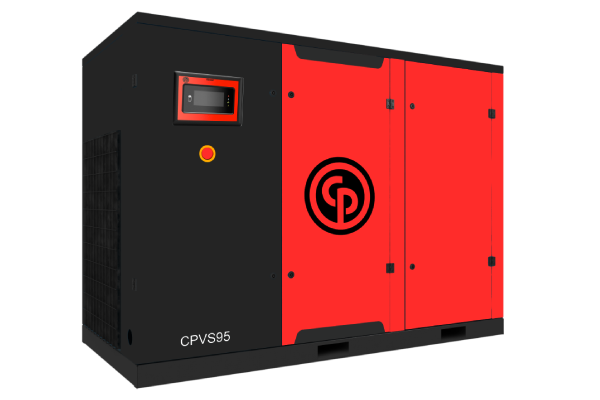
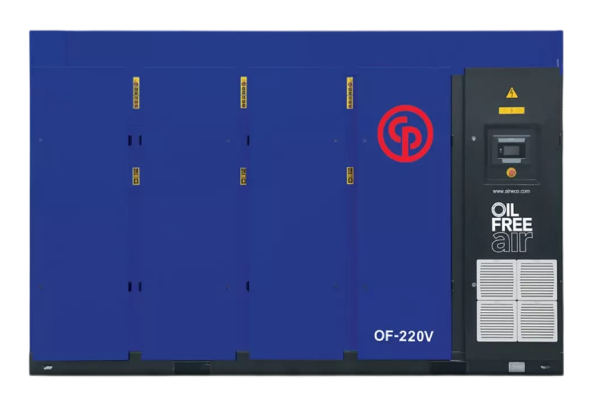
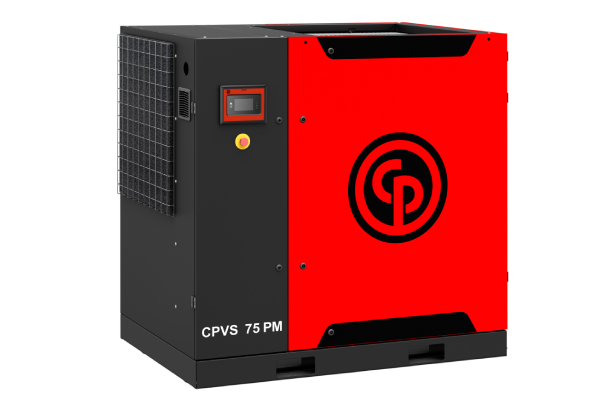
VFD Variable Speed Screw Compressor
For medium and large fabrication workshops with variable tool demand. VFD matches motor speed to actual workshop demand, maintaining stable network pressure as the number of active tools changes. Saves 20–35% electricity versus fixed speed over a typical fabrication shift with variable tool usage. Recommended for workshops with sandblasting plus regular tool operations.
View Details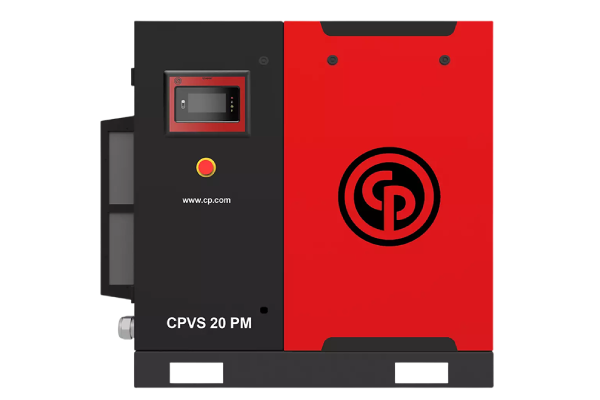
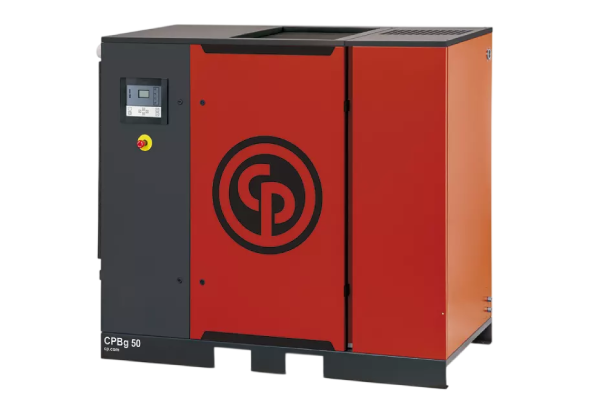
Fixed Speed Screw Compressor
For fabrication workshops with predictable, consistent compressed air demand. Lower capital cost than VFD. Suitable for workshops where the primary load is steady – such as a dedicated CNC machining area or a constant-production fabrication line. R R Enterprise will assess your workshop demand pattern before recommending VFD or fixed speed.
View Details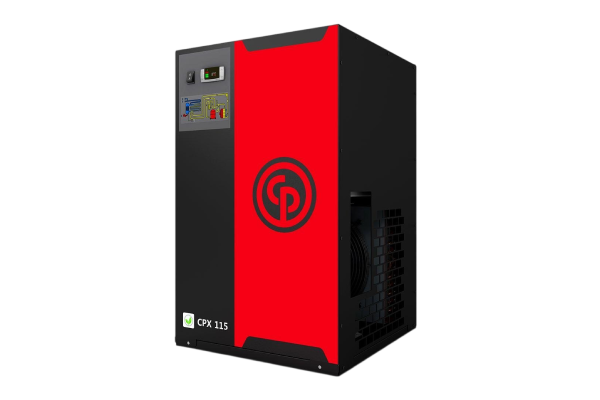
Refrigeration Air Dryer
For plasma cutting supply air and spray paint gun supply air. Removes moisture that reduces plasma consumable life and causes fish eye paint defects. In Gujarat's monsoon season, compressed air moisture without a dryer is very high – this is the period when plasma consumable failure rates in workshops without dryers are highest.
View Details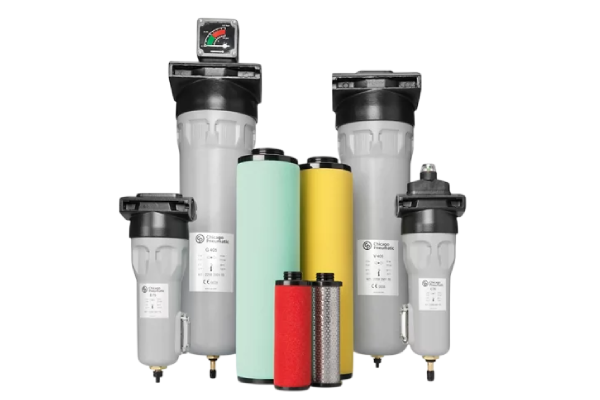
Air Treatment – Plasma & Paint Filtration
Coalescing filter removes oil and moisture bulk from the plasma cutter and paint gun air supply. Activated carbon filter removes oil vapour. Point-of-use filtration at the plasma machine air inlet and paint spray booth inlet ensures these quality-sensitive applications receive clean, oil-free air even from an oil-lubricated main compressor.
View Details
R R Enterprise Manufactured Products
Manufactured Products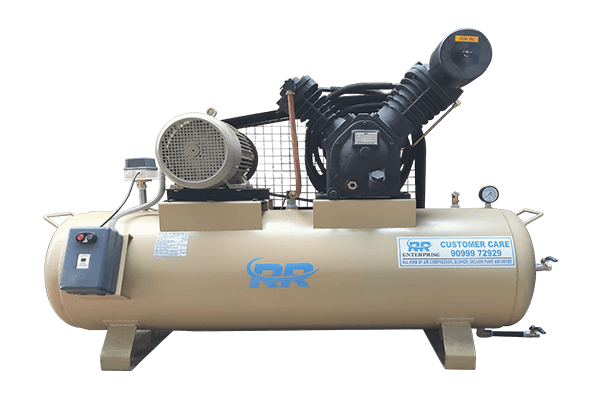
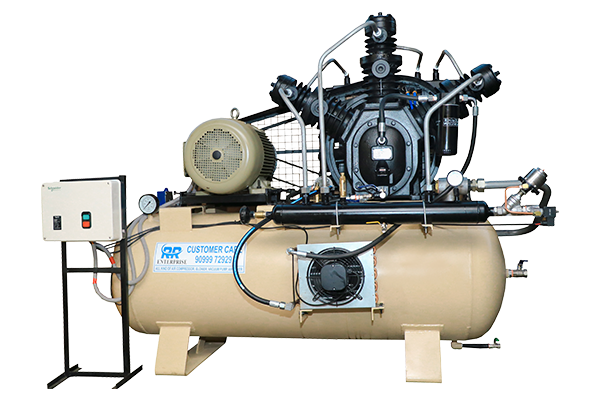
Reciprocating Air Compressor
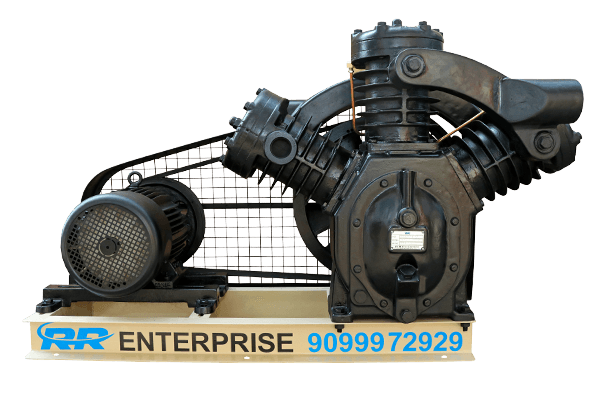
For small and medium engineering workshops in Vapi and Silvassa where a screw compressor is not justified by the size and air demand. R R Enterprise manufactures reciprocating air compressors at our ISO 9001:2015 certified Vapi GIDC facility in 5 HP to 25 HP range. Lower capital cost, simpler maintenance, suitable for intermittent-duty workshop applications.
View Details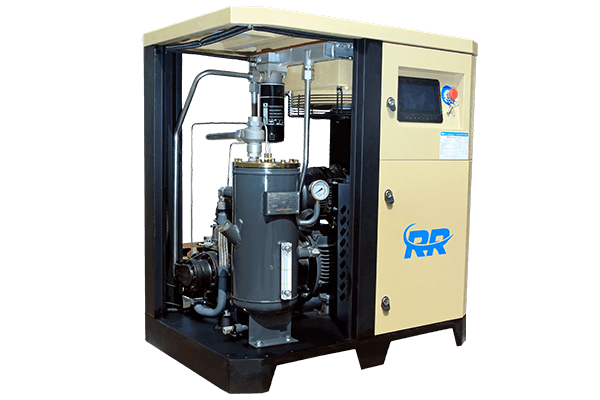
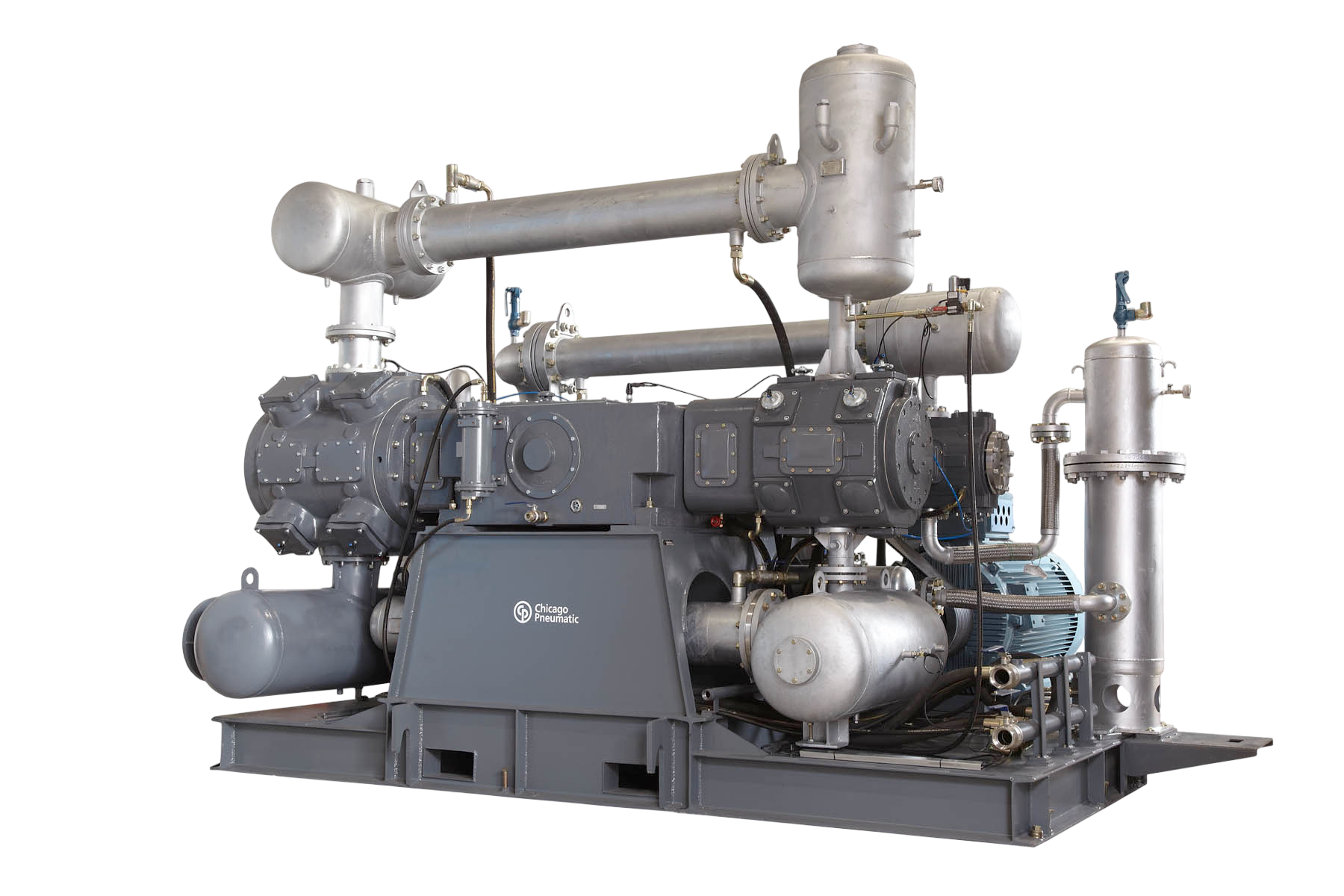
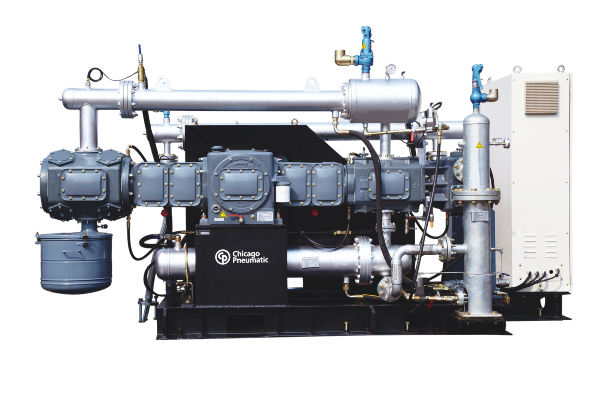
High Pressure Air Compressor
For pneumatic pressure testing of fabricated pressure vessels, heat exchangers and piping systems. Hydrostatic testing uses water, but pneumatic testing uses compressed air at test pressure (typically 1.1–1.5 times design pressure). For pressure vessels up to 25–50 bar test pressure, an RR High Pressure Compressor provides the correct test pressure.
View DetailsHow Compressed Air Is Used in Engineering and Fabrication — Application by Application
Sandblasting / Abrasive Blasting
The highest compressed air demand operation in any fabrication shop. A #6 nozzle requires 850–1,000 LPM at 6–7 bar for effective blasting to Sa 2.5 or Sa 3 specification. Undersizing the compressor for sandblasting results in insufficient blast velocity, incomplete rust removal and inadequate blast profile — the primer applied to poorly blasted steel begins to fail within months. Refrigeration dryer recommended for sandblasting — wet sand in the blast pot clumps and blocks the nozzle.
Plasma Cutting
Compressed air serves as both the plasma gas and shield gas in most plasma cutting torches for cutting structural steel, stainless steel and aluminium. Clean, dry air is critical — oil in the plasma air quenches the cutting arc, produces rough cut edges, excessive dross and rapid consumable wear. A coalescing filter plus activated carbon filter, or a CP oil-free compressor for dedicated plasma air supply, extends consumable life from 20–50 cuts (contaminated air) to 200–400 cuts (clean dry air). ROI on filtration pays back in weeks of consumable savings.
Pneumatic Hand Tools
Angle grinders, die grinders, air chisels, needle scalers, impact wrenches and nut runners are used throughout the fabrication workshop for cutting, grinding, surface preparation and assembly. These tools are highly intermittent in use — they run in short bursts as individual operators work on their pieces. The combined peak demand when multiple heavy tools run simultaneously can significantly exceed the average. Correct compressor and receiver tank sizing for the workshop's simultaneous tool usage maintains performance at every workstation.
Paint Spraying — Post-Fabrication Finish
After sandblasting and primer application, fabricated steel structures and equipment are finish-painted using compressed air spray guns. The spray gun air must be oil-free and dry. Oil causes fish eye defects. Moisture causes paint adhesion failure on the primed surface and promotes rusting under the paint film. A dedicated point-of-use filtration set (coalescing + activated carbon) at the spray gun supply, downstream of the main workshop compressor, provides paint-grade air without requiring a separate oil-free compressor for the entire workshop.
Pressure Testing of Fabricated Equipment
Pressure vessels, heat exchangers, piping systems and industrial equipment fabricated in the workshop must be pressure-tested before delivery. Hydrostatic (water) testing is the standard for vessels, but pneumatic testing with compressed air is used for small-bore piping, tubing systems and instruments. For pneumatic test pressures above the standard compressor maximum (10–13 bar), an R R Enterprise High Pressure Booster Compressor provides the required test pressure (typically 1.1–1.5 times design pressure).
CNC Machining — Coolant Misting and Chip Blow-Off
CNC machining centres and lathes in fabrication workshops use compressed air for minimum quantity lubrication (MQL) coolant misting, chip blow-off from machined surfaces, and workpiece clamping using pneumatic vices and fixtures. These are continuous-duty, moderate-flow applications at 6–8 bar. Dry air is recommended — moisture in the MQL misting air reacts with cutting oil and affects the chip removal efficiency of the mist stream.
Why Engineering and Fabrication Workshops in Vapi Choose R R Enterprise
R R Enterprise engineers size compressors specifically for sandblasting demand — including the number of blast pots, nozzle sizes and pipe length. We know that sandblasting is the defining application for compressor sizing in a fabrication workshop, and that getting it wrong means consistently poor surface preparation and coating failures.
R R Enterprise explains the connection between clean dry air and plasma consumable life. A filtration upgrade at the plasma machine air inlet that saves ₹200–500 per consumable set over a 4–8 times longer consumable life pays back in weeks for a workshop cutting steel every day.
R R Enterprise manufactures reciprocating air compressors at our ISO 9001:2015 certified Vapi GIDC facility for small and medium engineering workshops. Local manufacturing means faster delivery, local spare parts availability and on-site service from engineers based in GIDC Vapi.
R R Enterprise is Authorised CP Dealer in South Gujarat for CP VFD and Fixed Speed Screw Compressors for medium and large fabrication workshops. Genuine CP spare parts, genuine CP oil and AMC service from our Vapi GIDC base.
Engineering fabricators working on project deadlines cannot afford days of compressor downtime. R R Enterprise provides 24/7 emergency compressor repair for fabrication workshops in Vapi and Silvassa. Engineers permanently stationed at Vapi GIDC. 2–4 hour response on any shift.
ISO 9001:2015 certified manufacturer and Authorised CP Dealer. MSME Udyam registered. Serving engineering and fabrication workshops in Vapi GIDC and Silvassa since 2017. R R Enterprise is itself a manufacturer — we understand the workshop environment.
Frequently Asked Questions — Air Compressor for Engineering & Fabrication in Vapi
Questions from workshop owners, fabrication managers and maintenance engineers in Vapi GIDC and Silvassa.
A single sandblast pot with a #6 nozzle at 6.5 bar requires 850–1,000 litres per minute (approximately 30–35 cfm) of compressed air. For effective sandblasting to Sa 2.5 surface preparation specification, the compressor must be able to maintain this flow rate continuously. Most workshops in Vapi use undersized compressors for sandblasting, resulting in pressure drops and incomplete surface preparation. R R Enterprise provides free sizing calculations for sandblasting compressors. Call +91 90999 72929 with your number of blast pots and nozzle sizes.

Mission
We have a corporate philosophy of delivering high-quality products by implementing the latest technology resulting in unmatched quality standards at competitive prices. The company today is a leading name in the category of rotary screw air compressor, vacuum pump, twin lobe roots blower and vacuum booster particularly.

Vision
We are an Indian manufacturing company that has been producing compressors since 2017. Over the years, At the center of our company is a commitment to putting the customers needs first.

Our Success
We have achieved success today by implementing the latest technology in our design and production. We have left no leaf unturned in offering high-quality, durable and cost-effective products over the years and won the trust and satisfaction from all our clients spread nationally and across the globe.