
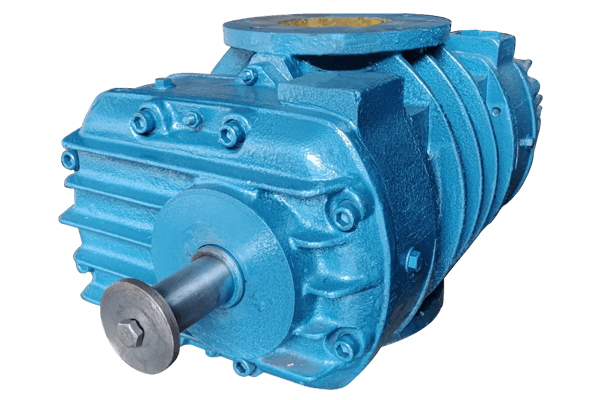
Air Compressor for
Textile Industry
in Surat & Vapi — VFD | Air-Jet Loom
VFD screw compressors for 20–35% energy saving in textile mills. Stable pressure for air-jet looms. Refrigeration dryer for moisture control. R R Enterprise — ISO 9001:2015 certified, MSME registered, Authorised CP Dealer serving Surat and South Gujarat.
Textile Industry
Tier 1 — Highest PriorityWhy Textile Mills in Surat Need a Different Kind of Compressed Air Solution
Surat is India’s largest textile manufacturing hub — home to thousands of weaving mills, dyeing and printing units, and yarn processing facilities. The city produces a significant share of India’s man-made fibre fabric, polyester and synthetic blended textiles. Air-jet looms, which use high-velocity compressed air to propel weft yarn across the loom shed, are the dominant weaving technology in Surat’s modern mills.
In a Surat textile mill, the compressed air system is not background utility equipment — it is the primary driver of production. Every air-jet loom in the mill depends on stable, dry, continuous compressed air to function. The compressor is directly connected to fabric output in a way that is not true of any other industry. Pressure stability determines loom efficiency. Air dryness determines thread breakage rate. Compressor capacity determines how many looms can run simultaneously.
R R Enterprise is the Authorised Chicago Pneumatic Compressors Dealer in South Gujarat, supplying CP VFD screw compressors and refrigeration air dryers to textile mills in Surat, Vapi and the surrounding region. We understand the specific requirements of air-jet loom compressed air systems and provide the complete solution: compressor selection, refrigeration dryer, piping design and ongoing maintenance.
3 Compressed Air Problems That Are Specific to Textile Manufacturing in Surat
These three problems do not exist for a pharmaceutical plant or a chemical factory. They are unique to weaving mills and textile manufacturing — and each one has a direct impact on fabric quality and production output.
Pressure Fluctuation Causes Loom Stoppages and Fabric Defects
An air-jet loom uses a precisely timed burst of compressed air to propel the weft yarn across the loom shed during each picking cycle. The air pressure must be stable — typically 5–7 bar — for the yarn to complete its traverse across the full width of the fabric. Even a momentary pressure drop during a picking cycle causes the weft yarn to fail to reach the other side — a “miss pick” that stops the loom automatically. In a mill with 100 looms, pressure fluctuations causing just 3 extra stops per loom per shift means 300 unplanned loom stoppages in a single shift. Each stoppage wastes time, can leave a visible defect at the stop mark in the fabric, and reduces the mill’s effective production output. A fixed speed compressor that loads and unloads creates pressure swings of 1–2 bar between cut-in and cut-out. A VFD compressor maintains a much tighter pressure band, significantly reducing pressure-related loom stoppages.
The Compressed Air System Is the Mill’s Biggest Electricity Consumer — and It’s Being Wasted
In a Surat textile mill, the compressed air system typically accounts for 40–60% of the mill’s total electricity consumption. For a mill running 200 air-jet looms requiring a 300 HP compressed air system, the annual electricity cost is approximately ₹35–45 lakhs at current industrial tariff rates. Most Surat mills are still running fixed speed compressors that load and unload — consuming full power during unloaded periods when no air is being consumed. The demand for compressed air in a textile mill is not constant: it varies with the number of looms in operation at any time (some looms stop for knot-tying, maintenance, design changes), shift changeovers, and production style changes. A VFD compressor that matches its motor speed to actual air demand saves 20–35% on electricity. On a ₹40 lakh annual electricity bill, this is ₹8–14 lakhs per year in savings — paid back in the VFD compressor investment within 1–2 years.
Moisture in Loom Air Causes Thread Breakage, Machine Damage and Fabric Contamination
Surat’s coastal climate and Gujarat’s monsoon season result in high ambient humidity at mills for a significant part of the year. When compressed air is not properly dried, moisture condenses inside the compressed air distribution piping and enters the air-jet loom’s air passages and nozzles. The consequences are: wet yarn during weaving causes thread breakage (the saturated weft yarn becomes heavier and loses its ballistic trajectory across the loom shed), rust formation inside the loom’s internal air passages and solenoid valves causing valve failure and erratic loom behaviour, and moisture-contaminated compressed air contributing to fabric surface blemishes during finishing. Many mill owners in Surat attribute high thread breakage rates and frequent loom maintenance to yarn quality — when the actual cause is wet compressed air. A refrigeration air dryer is not optional for a textile mill in Surat. It is the most cost-effective solution for thread breakage reduction and loom maintenance reduction simultaneously.
How R R Enterprise Solves Each of These Problems
The VFD compressor maintains a much tighter pressure band than a fixed speed compressor that loads/unloads with 1–2 bar swings. Stable pressure means fewer pressure-related loom stoppages and more consistent weft yarn propulsion across the loom shed.
CP VFD screw compressor matches motor speed to the actual number of looms in operation at any moment. On a 300 HP system for a 200-loom mill, the VFD saves ₹8–14 lakhs per year. R R Enterprise provides a free load profile assessment and payback calculation before the investment decision.
A refrigeration air dryer removes moisture from the compressed air before it reaches the loom distribution header. Thread breakage from wet air is eliminated. Rust formation inside loom air passages is prevented. Solenoid valve failures from moisture are dramatically reduced.
Products We Supply to Textile Mills in Surat and South Gujarat
Every recommendation includes the specific reason why it is the right choice for textile mill compressed air.

Chicago Pneumatic (Authorised CP Dealer)
Authorised CP Dealer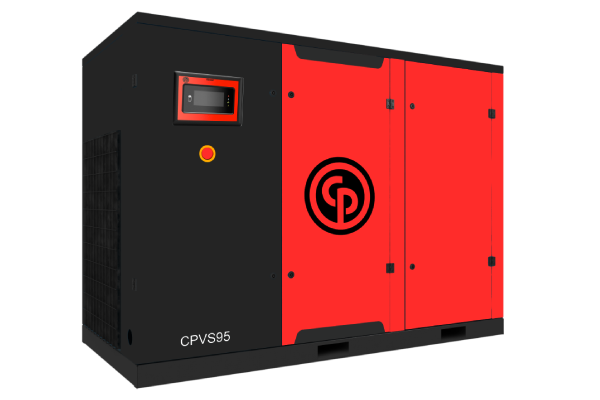
VFD Variable Speed Screw Compressor
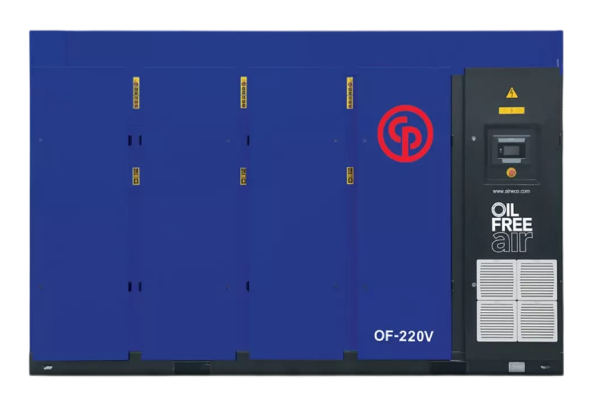
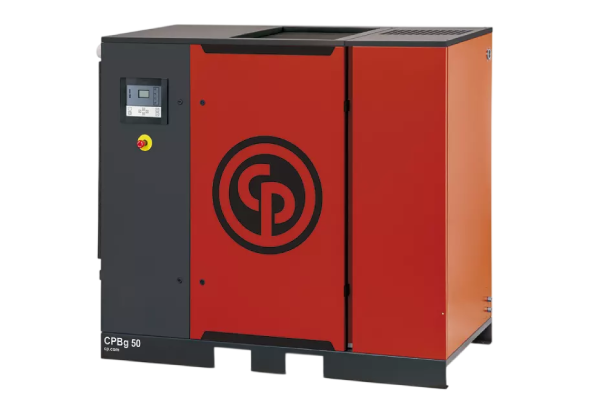
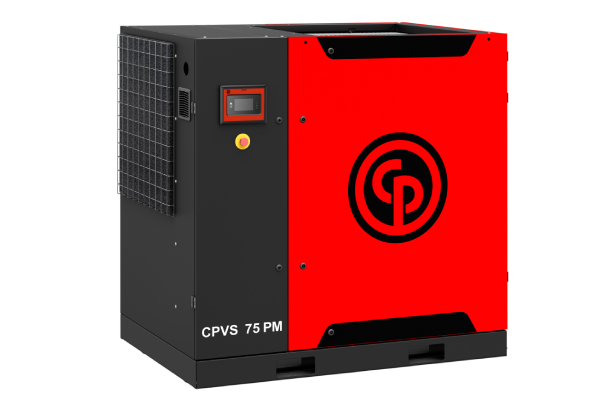
Primary recommendation for all textile mills. Maintains stable pressure for consistent loom performance while saving 20–35% electricity versus a fixed speed compressor. As a mill’s loom count in operation varies during a shift, the VFD matches motor speed to actual demand. Stable pressure reduces pressure-related loom stoppages. Energy saving reduces the mill’s biggest operating cost.
View Details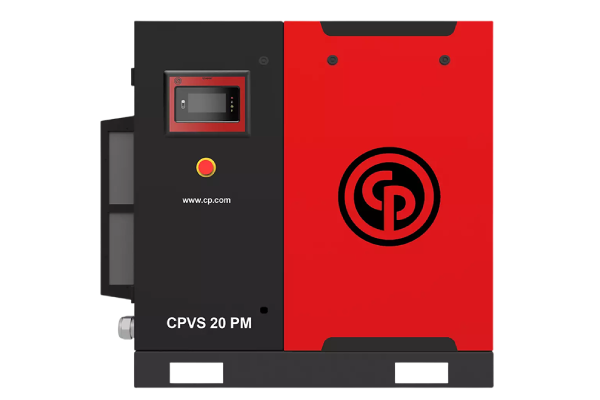
Fixed Speed Screw Compressor
For smaller mills where all looms run simultaneously at a constant rate with minimal variation in air demand. Lower capital cost where demand is genuinely constant. R R Enterprise will assess your mill’s loom count, shift pattern and demand profile before recommending VFD or fixed speed.
View Details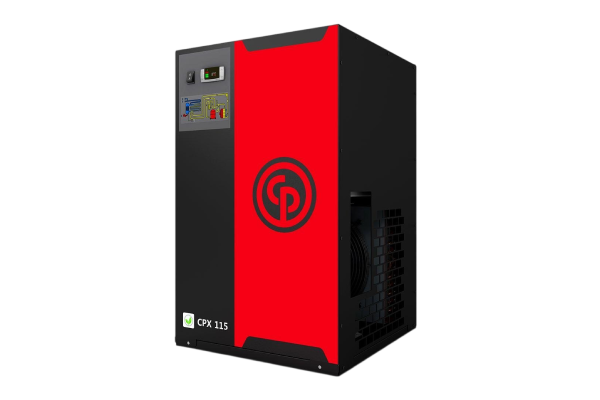
Refrigeration Air Dryer
Essential for every textile mill in Surat. Removes moisture from compressed air before it reaches the loom distribution header. Eliminates thread breakage from wet yarn, prevents rust in loom air passages and solenoid valves, and reduces loom maintenance frequency. In Surat’s coastal climate, operating air-jet looms without a dryer is the single most common cause of high thread breakage rates.
View Details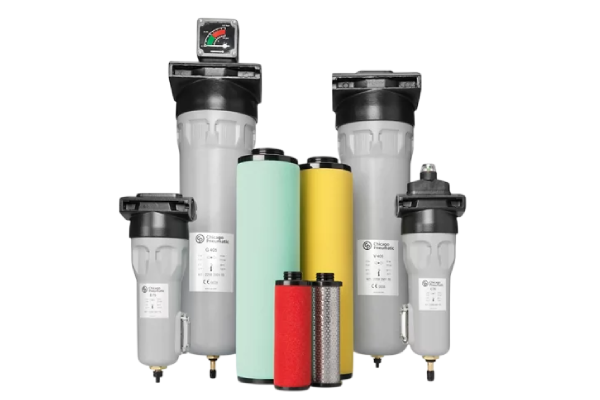
CP Airnet Aluminium Piping
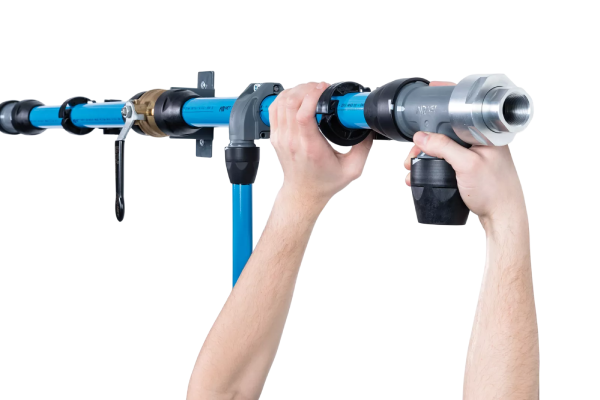
Leak-free modular aluminium compressed air piping designed specifically for textile mill air distribution. Maintains stable pressure throughout the mill header. Eliminates leaks from threaded GI pipe joints that create pressure drops. Lightweight and quick to install. Recommended for new mills and for mill upgrades from GI piping.
View Details
R R Enterprise Manufactured Products
Manufactured Products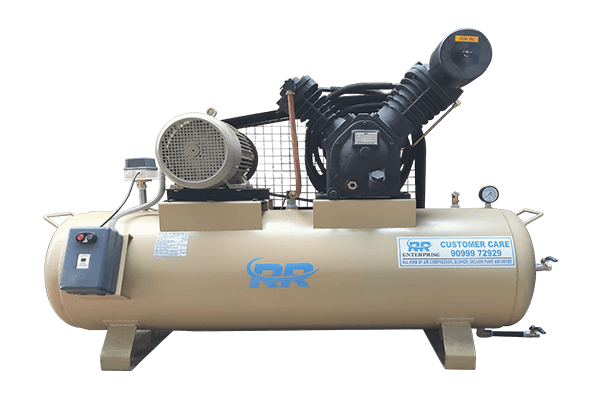
Reciprocating Air Compressor
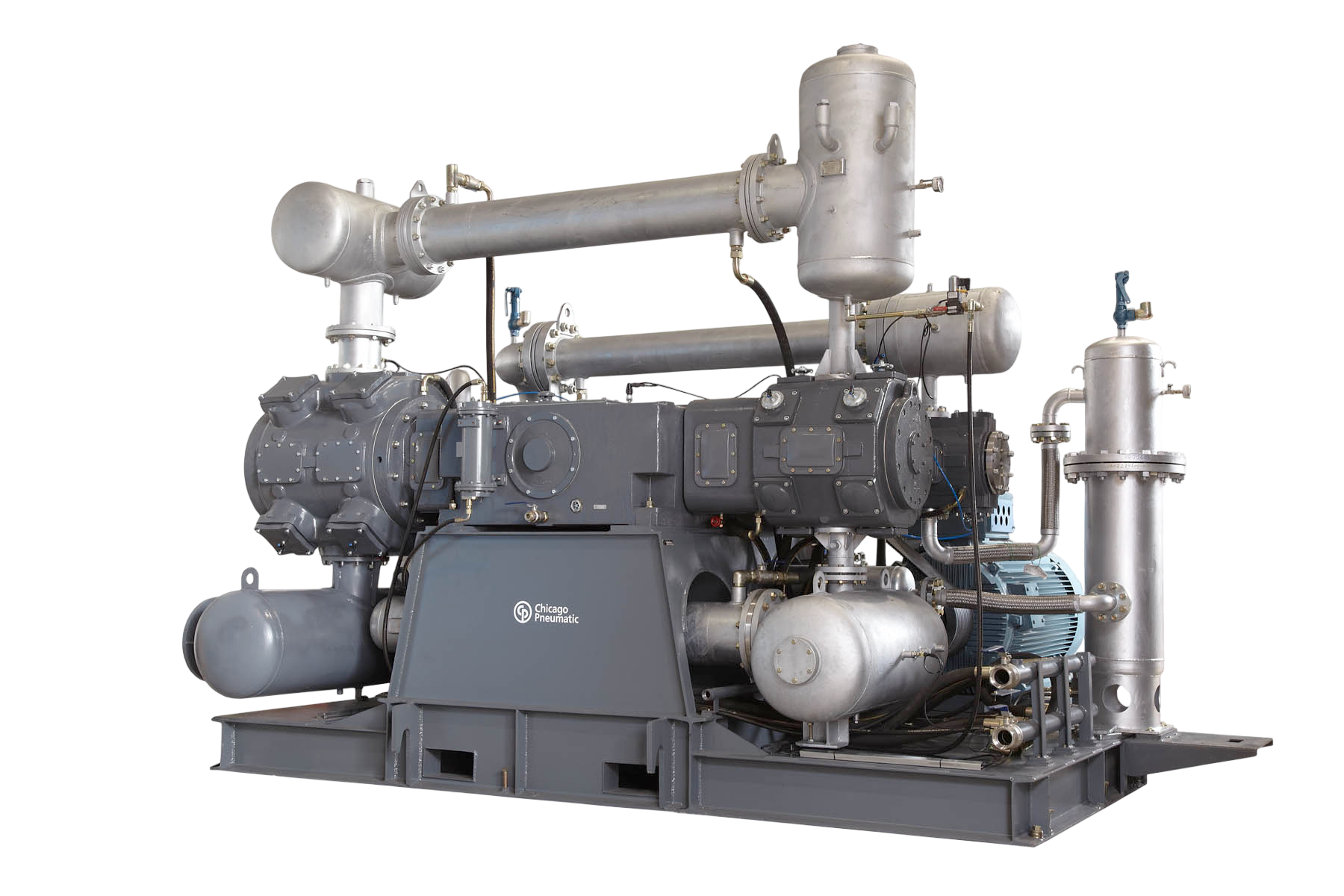
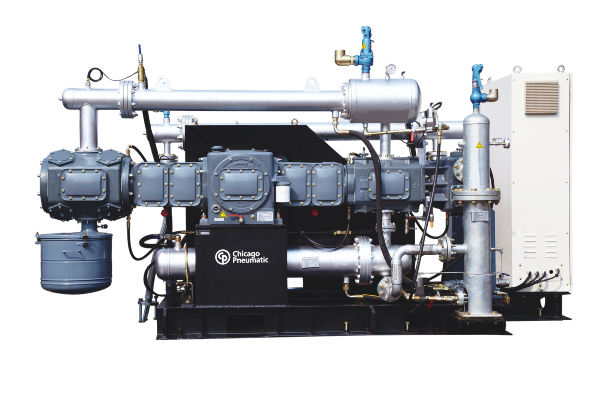
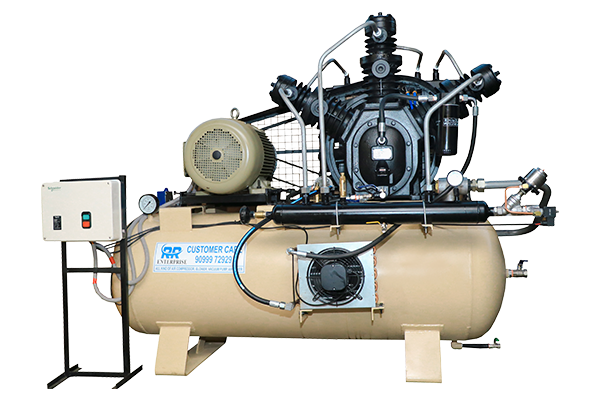
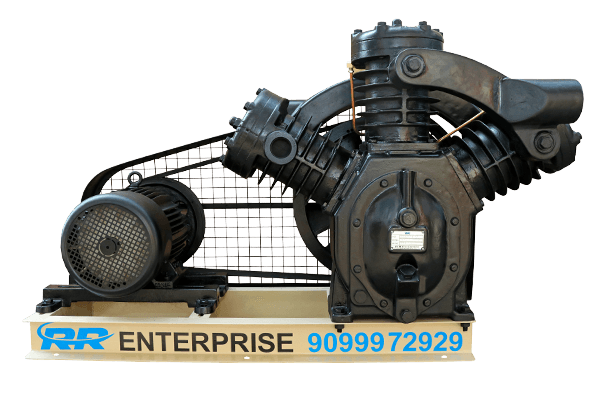
For smaller weaving units with a lower loom count where a screw compressor’s higher capital cost is not justified. R R Enterprise manufactures reciprocating air compressors at our Vapi GIDC facility. Available in single-stage and two-stage configurations from 5 HP to 100 HP. Lower capital cost for smaller weaving operations.
View DetailsHow Many HP Compressor Do You Need for Your Textile Mill?
Compressor sizing for a textile mill is based primarily on the number of air-jet looms and the fabric width. Here is a practical guide for Surat mills:
| Mill Size | Loom Count | Fabric Width | Recommended HP | Compressor Type |
|---|---|---|---|---|
| Small weaving unit | 10–25 looms | Up to 180 cm | 30–50 HP | RR Reciprocating or CP Fixed Speed Screw |
| Medium mill | 25–75 looms | Up to 220 cm | 50–150 HP | CP Fixed Speed or VFD Screw |
| Large mill | 75–200 looms | Up to 360 cm | 150–400 HP | CP VFD Screw (single or multiple units) |
| Very large mill | 200+ looms | Mixed widths | 400 HP+ | Multiple CP VFD Screw compressors in parallel |
These are general guidelines. Actual HP requirement depends on the specific loom model, fabric width, weaving speed and compressed air pressure setting. R R Enterprise provides a free compressor sizing assessment for textile mills. Call +91 90999 72929.
How Compressed Air Is Used in a Textile Mill — Application by Application
Understanding each application helps determine the right pressure, flow and quality requirements for your mill.
Air-Jet Loom — Weft Insertion
The primary and most critical application. Each picking cycle, a precisely timed and pressurised burst of compressed air through the main nozzle and relay nozzles propels the weft yarn across the loom shed. The yarn must complete its traverse within the picking time window — typically 8–20 milliseconds depending on loom speed. Pressure must be stable and the air must be dry. Any pressure drop or moisture causes a miss pick and loom stoppage. This application alone drives the entire compressed air system design for a textile mill.
Loom Auxiliary Pneumatics — Warp Stop, Jacquard, Selvedge
Beyond weft insertion, air-jet looms use compressed air for warp stop motion (pneumatic sensors that detect warp yarn breakage), Jacquard machine operation (individual yarn shedding for patterned fabrics), tucking-in selvedge devices and auxiliary functions. These applications require a steady, reliable air supply at the same pressure as the main weft insertion supply, but at lower flow rates per loom.
Blow Room — Fibre Opening and Cleaning
The blow room section of a textile mill uses compressed air and fans for opening raw fibre bales, cleaning fibres to remove trash and short fibres, blending fibres from different bales, and pneumatically conveying fibre to the carding machines. Blow room compressed air requirements are at lower pressure than loom air but at higher flow rates. This section often runs independently from the loom compressed air supply.
Yarn Texturising and Draw-Texturing
Draw-texturing machines for polyester yarn use compressed air for the air-interlacing process, which creates interlace knots in the yarn bundle to improve cohesion and processing behaviour. The compressed air pressure for interlacing is typically 3–5 bar. This is a separate, lighter-duty compressed air application that can often share the main mill compressor if capacity is sufficient.
Fabric Inspection and Folding Machines
Fabric inspection machines and automatic folding equipment use compressed air for pneumatic actuators, fabric tensioning systems and air cushion table surfaces. These are utility-grade compressed air applications at lower flow rates. They can share the main compressed air supply but should be positioned at the end of the distribution system to avoid affecting loom air pressure.
Compressed Air Piping Distribution
In a large textile mill with 100–200 looms arranged in rows, the compressed air distribution piping is as important as the compressor itself. Undersized piping creates pressure drops that cause loom stoppages at the end of the header line. Air leaks in GI threaded pipe joints waste 20–40% of compressed air output. CP Airnet aluminium piping provides a leak-free, low-pressure-drop distribution system specifically designed for textile mill layouts.
Why Textile Mills in Surat and South Gujarat Choose R R Enterprise
R R Enterprise is the Authorised Chicago Pneumatic Compressors Dealer for South Gujarat, serving textile mills in Surat as well as Vapi, Silvassa and Daman. CP VFD screw compressors, refrigeration dryers, air treatment and CP Airnet piping — the complete textile mill compressed air solution from one authorised supplier.
Before recommending VFD or fixed speed, R R Enterprise engineers assess your mill’s loom count, shift pattern and running hours to calculate the actual energy saving and payback period you would achieve. No generic estimates — a calculation based on your specific mill’s electricity consumption and production pattern.
R R Enterprise engineers understand the connection between compressed air moisture and thread breakage in air-jet looms. If your mill has a persistent thread breakage problem, we will assess your compressed air dew point before concluding the cause is yarn quality. Many mills have solved chronic thread breakage by adding a refrigeration dryer — not by changing their yarn supplier.
R R Enterprise engineers size compressors based on your actual loom count, fabric width, weaving speed and planned expansion. We provide a free sizing calculation that accounts for simultaneous demand, future expansion allowance and the correct receiver tank volume for your mill layout.
Textile mills cannot afford compressor downtime during production shifts. R R Enterprise AMC for textile mills includes priority emergency response — reaching your mill within 2–4 hours of an emergency call. Parts stocked at our Vapi GIDC workshop for same-day repair of the most common compressor failures.
R R Enterprise is ISO 9001:2015 certified and has been serving industrial customers in South Gujarat, including textile mills in Surat, since 2017. MSME Udyam registered. Authorised CP Dealer with factory-trained engineers and genuine CP parts in stock.
Frequently Asked Questions — Air Compressor for Textile Mills in Surat
Questions from mill owners, production managers and maintenance supervisors at textile mills in Surat and South Gujarat.
The CP VFD Variable Speed Screw Compressor is the recommended solution for air-jet loom mills in Surat. It provides stable pressure (reducing pressure-related loom stoppages) and saves 20–35% on electricity by matching motor speed to the actual number of looms in operation at any time. A refrigeration air dryer must be paired with the compressor to prevent moisture-related thread breakage. R R Enterprise is the Authorised CP Dealer for South Gujarat. Call +91 90999 72929.