
Air Compressor for
Rubber Industry
in Vapi & Silvassa — Moulding | Extrusion | Seals
VFD screw compressors for rubber moulding press operations, dry air for extrusion calibration and consistent pressure for seal and O-ring quality. R R Enterprise — ISO 9001:2015 · MSME Udyam · Authorised CP Dealer serving rubber manufacturers in Vapi GIDC and Silvassa.
Rubber
Tier 3 — SpecialtyWhy Rubber Manufacturers in Vapi and Silvassa Need Properly Specified Compressed Air
Vapi GIDC and the Silvassa industrial area host a significant cluster of rubber product manufacturers supplying gaskets, O-rings, seals, hoses, rubber-to-metal bonded components, anti-vibration mounts and industrial rubber sheets to the chemical, pharmaceutical, automotive and engineering industries of the region. Rubber compound manufacturers, moulded rubber product manufacturers, rubber extrusion units and autoclave vulcanisation operations are all represented in the cluster.
Compressed air in a rubber manufacturing operation serves three distinct and technically demanding applications. Rubber moulding presses use compressed air for press control, mould cleaning and part demoulding in a cyclic, peak-heavy demand pattern. Rubber vulcanisation quality is directly affected by moisture in the compressed air contacting the rubber compound. Rubber extrusion calibration uses compressed air pressure to maintain the bore or cross-section of the extruded rubber product, where pressure variation directly causes dimensional non-conformance in the finished rubber goods.
R R Enterprise serves rubber manufacturers in Vapi GIDC and Silvassa as Authorised Chicago Pneumatic Compressors Dealer, supplying CP VFD screw compressors, refrigeration air dryers and air filtration systems correctly specified for rubber moulding, extrusion and vulcanisation applications. We also manufacture reciprocating air compressors at our ISO 9001:2015 certified Vapi GIDC facility for smaller rubber moulding operations.
Rubber Manufacturing Processes – Compressed Air Role
Compression & Transfer Moulding
Pneumatic press opening/closing, part ejection, mould blow-off. Cyclic demand. Dry air prevents surface defects and vulcanisation inhibition.
Rubber Extrusion
Calibration air maintains bore of hoses or cross-section of profiles as extrudate cools. Pressure accuracy = dimensional accuracy. Continuous, stable demand.
Autoclave Vulcanisation
Pressure vessel instrument air for temperature and pressure control during autoclave cure cycle. Continuous, stable instrument air required.
Rubber Mixing (Banbury)
Compressed air for Banbury mixer controls — ram operation, dump door, batch weighing pneumatics. Moderate demand, standard compressed air.
Injection Moulding
Pneumatic clamping and ejection in rubber injection moulding machines. Cyclic demand similar to compression moulding. VFD for variable multi-machine demand.
Quality Testing
Pressure testing of rubber hoses, seal assemblies and O-rings to specified test pressures. May require high pressure air for burst testing of high-pressure hoses.
3 Compressed Air Problems Specific to Rubber Manufacturers in Vapi and Silvassa
These problems are unique to rubber manufacturing. They are different from the compressed air challenges in plastic moulding, food processing or chemical plants.
Rubber Moulding Press Air Demand Is Cyclic and Peak-Heavy — An Undersized System Causes Demoulding Failures
Rubber compression moulding and transfer moulding presses use compressed air for press opening, part ejection and mould cleaning in a cyclic pattern. Each press cycle involves a burst of air demand during press operation, followed by low demand during the rubber cure dwell time (typically 3–20 minutes depending on the compound and part thickness). A rubber moulding shop with 10–20 presses operating simultaneously creates synchronised demand spikes as multiple presses cycle at the same time. If the compressed air pressure drops during the press opening and part ejection cycle, the part may not demould cleanly — rubber flash remains stuck in the mould cavity, the part tears during ejection, or the mould release agent deposits in an uneven pattern that causes the next moulded part to have a surface defect. For rubber seals and O-rings supplied to pharmaceutical, chemical or food processing customers with specified surface quality requirements, a demoulding pressure drop can cause an entire batch of parts to fail surface inspection. A CP VFD screw compressor sized for the peak simultaneous demand of all presses, with a correctly sized receiver tank, prevents these pressure drop demoulding failures.
Moisture in Compressed Air Causes Rubber Surface Defects and Inhibits Vulcanisation at the Part Surface
Rubber vulcanisation (the chemical cross-linking that converts raw rubber compound into the final elastic product) requires specific time and temperature conditions. If moisture from the compressed air contacts the rubber compound surface during moulding, the moisture disrupts the vulcanisation chemistry at the surface layer. This causes three types of defects: (1) Surface pockmarks or pinholes from steam formation at the rubber surface as moisture flashes to steam in the hot mould at 150–180°C — visible surface defects that cause part rejection; (2) Inhibited surface vulcanisation where moisture at the surface retards the cross-linking reaction, producing an under-vulcanised skin with lower hardness and tensile strength than the interior — affecting seal performance in service; (3) Flow lines or voids in the rubber part from steam formation in the mould parting line. For rubber gaskets, O-rings and seals used in pharmaceutical equipment (where extractables from under-vulcanised rubber are a regulatory concern) or chemical service (where incorrect hardness causes premature seal failure), surface defects from moisture are cause for rejection. A refrigeration air dryer on the compressed air supply to rubber moulding operations prevents all three moisture-related defects.
Rubber Extrusion Calibration Air Pressure Variation Changes the Bore Diameter — Dimensional Non-Conformance
In rubber hose extrusion, the extrudate exits the extruder die and enters a calibration section where compressed air blown into the bore of the hose maintains the internal bore diameter as the rubber cools in a cold water bath. The calibration air pressure directly controls the internal bore diameter of the finished hose. If the calibration air pressure fluctuates during extrusion, the bore diameter varies along the length of the hose. For rubber hoses with specified bore tolerances — pharmaceutical tubing (USP Class VI silicone or EPDM hoses), food-grade hoses (FDA-compliant), hydraulic hose inner tubes, or chemical transfer hoses — bore diameter variation outside the specified tolerance makes the length of hose non-conforming to the buyer’s specification. For rubber profile extrusion (door seals, window seals, industrial gasket profiles), calibration air pressure maintains the cross-sectional shape. Variation in calibration air pressure = variation in profile cross-section = dimensional non-conformance that can only be detected by cross-sectional measurement after cutting. A CP VFD screw compressor maintaining consistent calibration air pressure prevents bore diameter variation in rubber hose extrusion and cross-section variation in profile extrusion.
How R R Enterprise Solves Each of These Problems
R R Enterprise sizes the CP VFD screw compressor and receiver tank for the peak simultaneous demand of all presses in the rubber moulding shop. VFD maintains consistent pressure during demand spikes. Correct receiver sizing provides pressure buffer during simultaneous press cycling to prevent demoulding pressure drops.
A refrigeration air dryer removing moisture before it reaches the rubber moulding presses eliminates surface pocking, inhibited vulcanisation and void formation from moisture in the mould cavity. Essential for rubber seals and O-rings supplied to pharmaceutical, chemical and food processing customers with surface quality specifications.
The CP VFD Variable Speed Screw Compressor maintains a tighter pressure band than a fixed speed load-unload compressor. Consistent calibration air pressure in rubber hose extrusion means consistent bore diameter throughout the extruded hose length. Prevents dimensional non-conformance from calibration pressure variation.
Products We Supply to Rubber Manufacturers in Vapi and Silvassa

Chicago Pneumatic (Authorised CP Dealer)
Authorised CP Dealer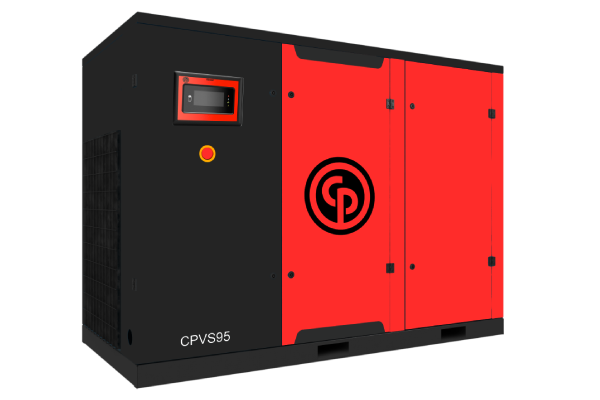
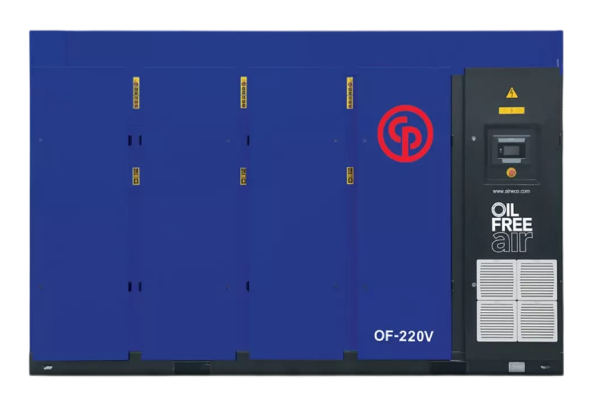
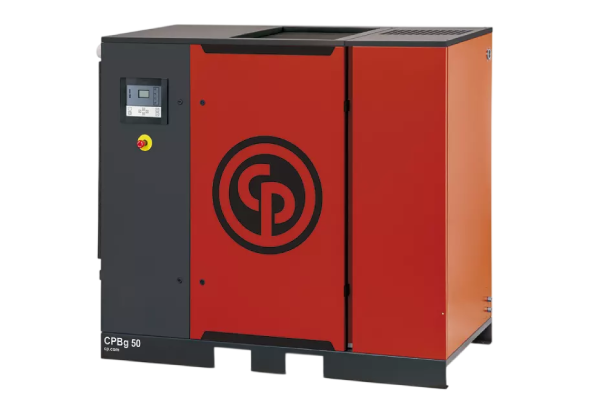
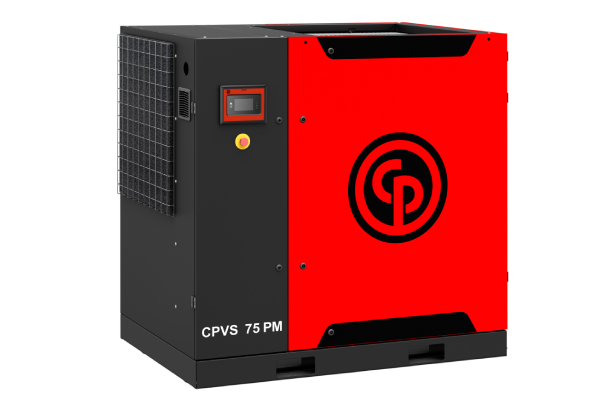
VFD Variable Speed Screw Compressor
Primary recommendation for rubber moulding shops and extrusion lines. VFD adapts motor speed to the cyclic demand pattern of rubber moulding operations, maintaining consistent supply pressure during peak demand from simultaneous press cycling. For extrusion, VFD maintains stable calibration air pressure for bore accuracy. Saves 20–35% electricity versus fixed speed in rubber moulding applications with variable demand.
View Details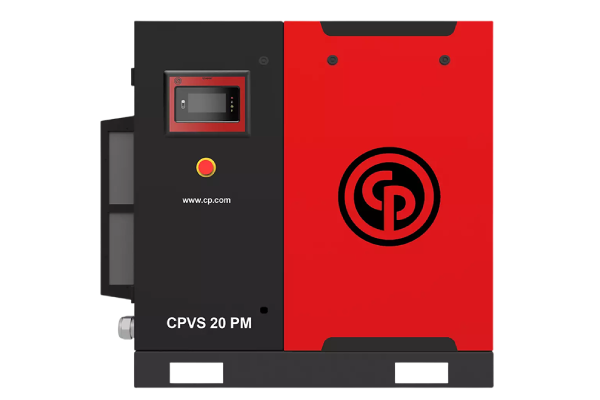
Fixed Speed Screw Compressor
For rubber extrusion operations with steady, predictable compressed air demand, and for autoclave vulcanisation instrument air supply where demand is constant during the autoclave cure cycle. Lower capital cost than VFD for constant-load rubber operations.
View Details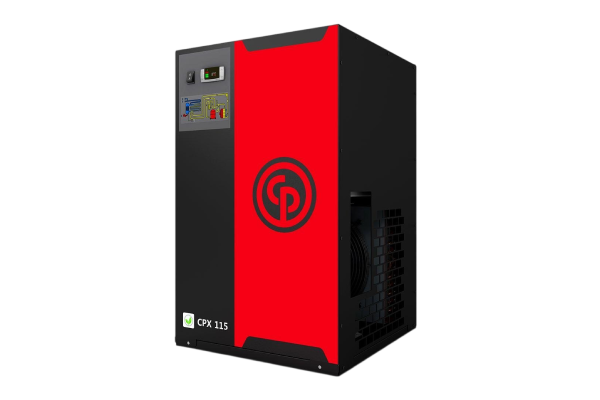
Refrigeration Air Dryer
Essential for rubber moulding and extrusion compressed air. Removes moisture that causes surface pocking, inhibited vulcanisation and bore diameter variation in rubber hose extrusion. In Gujarat's monsoon season, compressed air moisture without a dryer is very high – the period when rubber moulding surface defects from moisture are most frequent.
View Details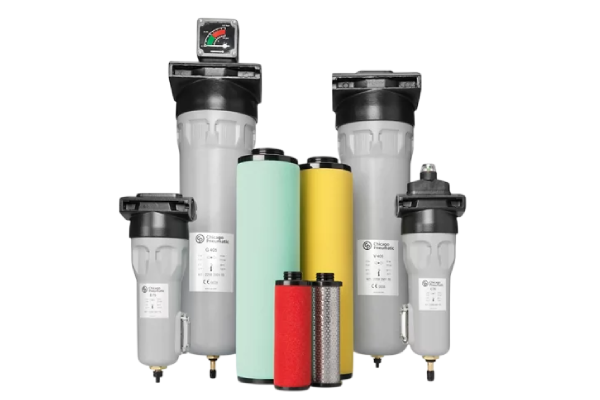
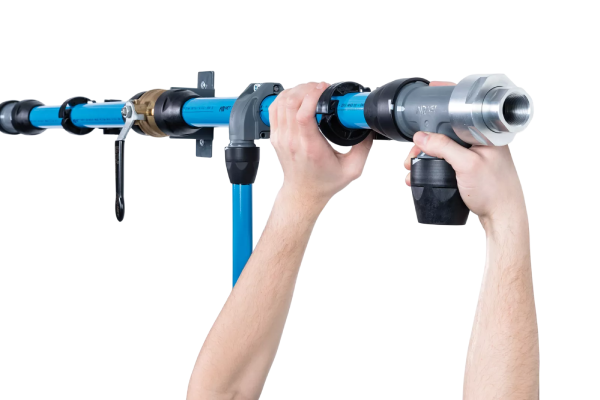
CP Airnet Aluminium Piping
Coalescing filter for mould cavity blow-off air. Removes residual moisture and oil from the compressed air used to clean the mould cavity between shots. Prevents oil deposits in mould cavities that cause surface defects and adhesion issues on subsequent moulded parts.
View Details
R R Enterprise Manufactured Products
Manufactured Products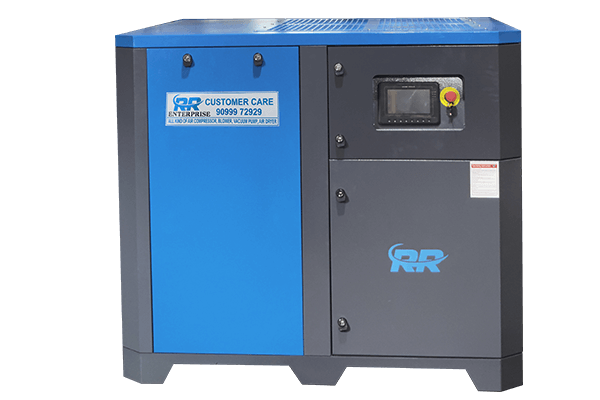
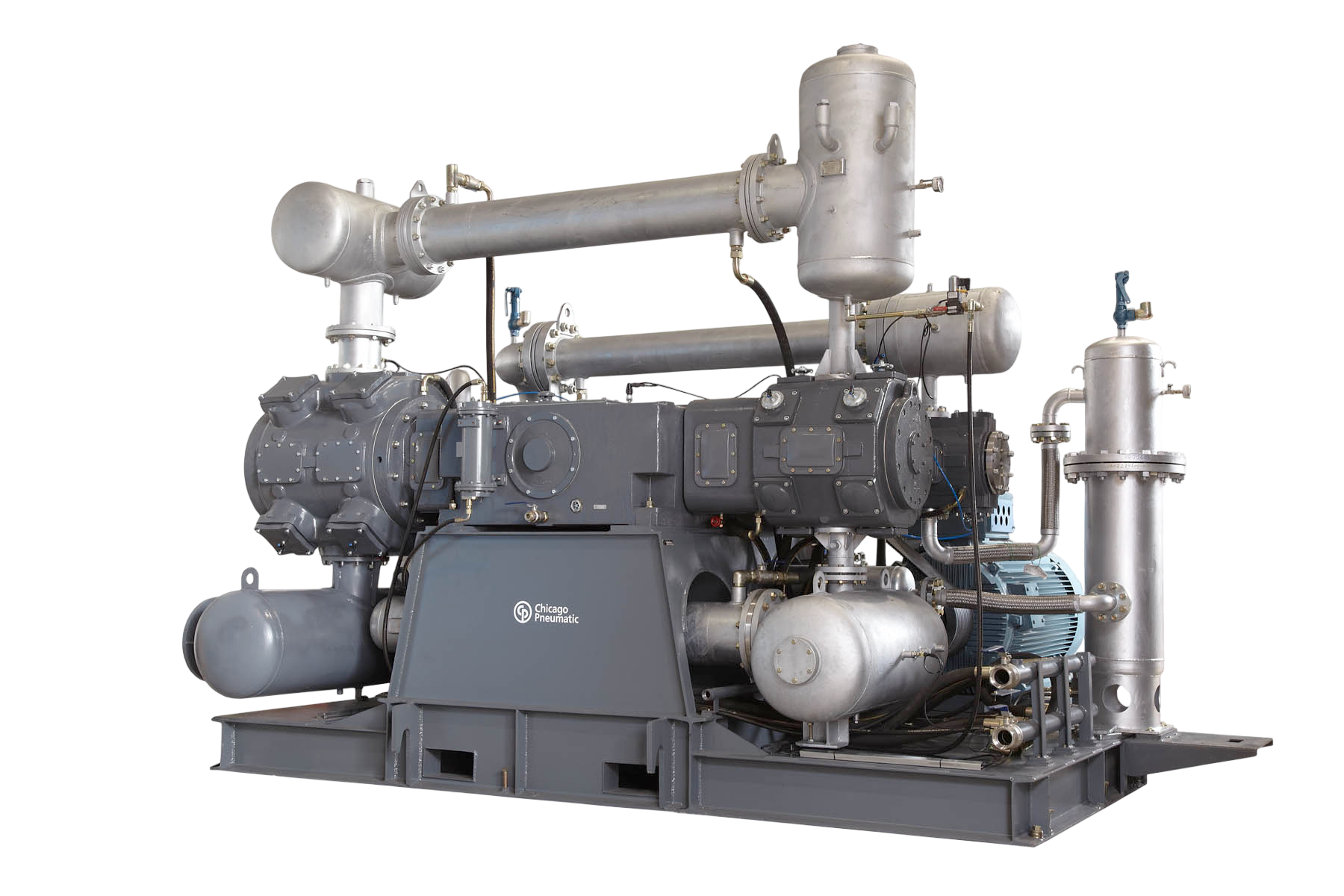
High Pressure Air Compressor
For pressure testing of rubber hoses, rubber-lined vessels and high-pressure rubber assemblies. Rubber hose burst testing typically requires test pressures of 2–4 times the rated working pressure – which may exceed standard compressor pressure (10–13 bar). R R Enterprise High Pressure Compressors for hydraulic hose inner tube testing and high-pressure rubber seal testing.
View Details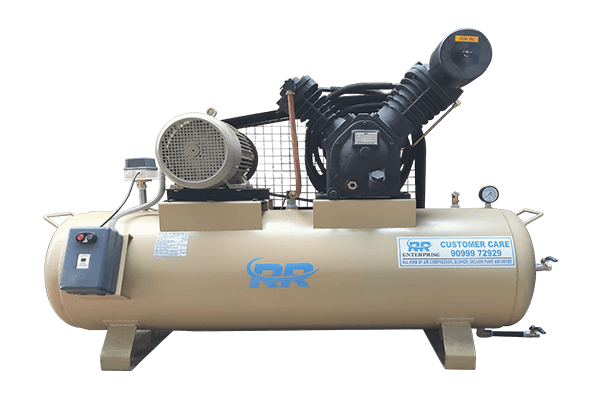
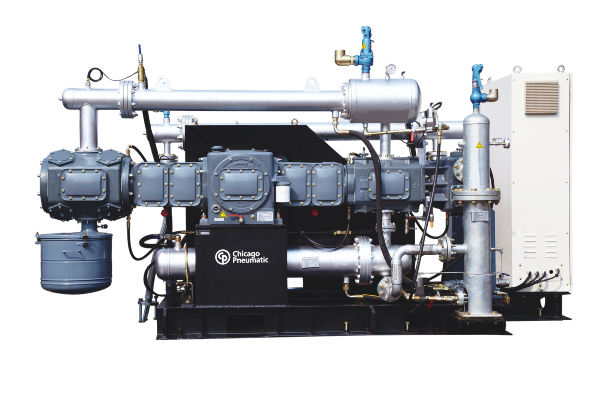
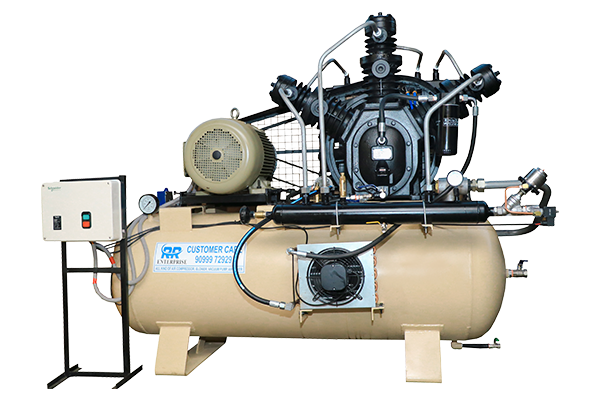
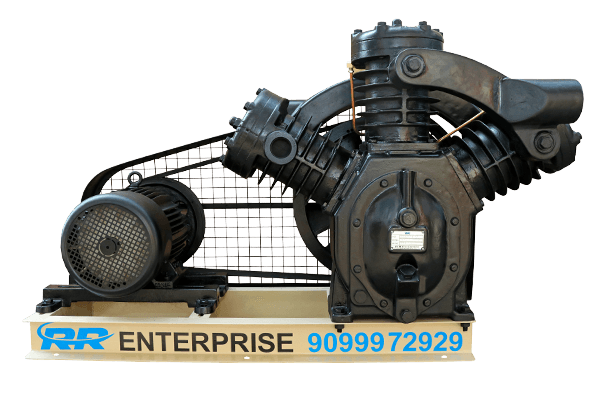
Reciprocating Air Compressor
For smaller rubber moulding operations (3–10 presses) and rubber goods manufacturers with moderate compressed air demand. R R Enterprise manufactures reciprocating air compressors at our ISO 9001:2015 certified Vapi GIDC facility in 5 HP to 25 HP range. Lower capital cost for small rubber moulding units.
View DetailsHow Compressed Air Is Used in Pharmaceutical Manufacturing — Application by Application
Each application below has a specific air quality requirement. Understanding which applies to your plant determines the right compressor and filtration system.
Compression & Transfer Moulding Presses
Pneumatic cylinders open and close the press platens, activate the ejector pins for part demoulding, and operate the transfer ram (in transfer moulding). The mould cavity is blown clean between each shot using a compressed air jet. Demand is cyclic — high during press operation, low during vulcanisation dwell. Multiple presses operating simultaneously create synchronised demand spikes. Pressure drops during ejection cause demoulding failures and part surface defects.
Rubber Hose Extrusion — Bore Calibration
As the rubber hose exits the extruder die, compressed air is blown into the bore to prevent it from collapsing as the hose cools in the cold water cooling bath. The calibration air pressure directly controls the internal bore diameter. Pressure variation of even 0.1–0.2 bar causes measurable bore diameter variation along the hose length. For pharmaceutical tubing, food-grade hoses and hydraulic hose inner tubes with tight bore tolerances, calibration air pressure stability is a dimensional quality requirement.
Autoclave Vulcanisation — Instrument Air
Rubber products vulcanised in autoclaves (large pressure vessels with steam and/or hot air) require compressed air for the autoclave instrument and control system. The autoclave temperature, steam pressure, cure time and venting sequence are all controlled by pneumatic actuators operating on instrument air. The instrument air must be clean, dry and at stable pressure throughout the autoclave cure cycle (typically 30–90 minutes at 150–180°C and 3–6 bar steam pressure).
Rubber Mixing — Banbury Mixer Controls
Banbury internal mixers use compressed air for the mixing ram (the weighted plunger that keeps the rubber compound in contact with the mixing rotors), the dump door (the bottom gate that releases the mixed compound), and the weigh hopper pneumatic discharge gates for adding compounding ingredients. These are standard compressed air applications at 6–8 bar, but reliable air supply is important — a pressure drop during mixing can cause the ram to lift, reducing mixing efficiency.
Rubber Profile Extrusion — Section Calibration
Rubber profiles (door seals, window seals, industrial gasket profiles, automotive weatherstrips) are extruded through a shaped die and then pass through a calibration die or vacuum/pressure sizing section that maintains the cross-sectional shape as the profile cools. Compressed air pressure in the calibration section maintains the section geometry. Cross-section variation from calibration pressure fluctuation can only be detected by cutting samples and measuring — potentially running non-conforming profile for considerable length before detection.
Quality Testing — Hose and Seal Pressure Testing
Rubber hoses must be pressure-tested to their rated working pressure before despatch. Hydraulic hose assemblies are tested at 2× rated working pressure. Burst testing is done at even higher pressures. Rubber seals and O-rings for high-pressure service are pressure-tested as part of quality release. For test pressures above standard compressor maximum (13 bar), an R R Enterprise High Pressure Compressor provides the required test pressure.
Why Rubber Manufacturers in Vapi and Silvassa Choose R R Enterprise
R R Enterprise engineers size the compressor and receiver tank for the peak simultaneous demand of all presses in the rubber moulding shop — not just the average demand. This prevents pressure drops during simultaneous press cycling that cause demoulding failures and surface defects in rubber seals and gaskets.
R R Enterprise specifies refrigeration dryers for rubber moulding compressed air. We understand that moisture in rubber moulding air causes surface pocking, inhibited vulcanisation and void formation — specific quality defects in rubber parts that are particularly critical for seals supplied to pharmaceutical and chemical customers.
CP VFD screw compressor maintains consistent calibration air pressure for rubber hose and profile extrusion. Prevents bore diameter variation in hoses and cross-section variation in profiles. Critical for rubber tubing and hose manufacturers supplying to pharmaceutical and food grade specifications.
R R Enterprise manufactures reciprocating air compressors at our ISO 9001:2015 certified Vapi GIDC facility for smaller rubber moulding operations. Local manufacturing means faster delivery, local spare parts and on-site service from engineers based in GIDC Vapi.
Rubber moulding shops running two or three shifts cannot afford extended compressor downtime without losing in-cure batches. R R Enterprise provides 24/7 emergency response for rubber manufacturers in Vapi GIDC and Silvassa. Engineers permanently stationed at Vapi GIDC. 2–4 hour response on any shift.
ISO 9001:2015 certified. MSME Udyam registered. Authorised CP Dealer. Rubber manufacturers supplying to pharmaceutical and chemical customers typically require ISO 9001 certification from their equipment service providers. Our certification satisfies this vendor qualification requirement.
Frequently Asked Questions — Air Compressor for Pharmaceutical Plants in Vapi
Questions from plant heads, maintenance engineers and QA managers at pharmaceutical plants in Vapi GIDC, Silvassa and Daman.
Pharmaceutical manufacturing uses compressed air in direct contact with drug products — tablet coating, capsule filling, sterile filling, cleanroom pressurisation. Any oil in the compressed air contaminates the product. An oil-lubricated compressor cannot guarantee zero oil at all times, even with downstream filters, because filters degrade between service intervals. An oil-free compressor has no oil in the compression stage — the air it produces is inherently oil-free regardless of filter condition. R R Enterprise supplies CP oil-free compressors in Vapi. Call +91 90999 72929.

Mission
We have a corporate philosophy of delivering high-quality products by implementing the latest technology resulting in unmatched quality standards at competitive prices. The company today is a leading name in the category of rotary screw air compressor, vacuum pump, twin lobe roots blower and vacuum booster particularly.

Vision
We are an Indian manufacturing company that has been producing compressors since 2017. Over the years, At the center of our company is a commitment to putting the customers needs first.

Our Success
We have achieved success today by implementing the latest technology in our design and production. We have left no leaf unturned in offering high-quality, durable and cost-effective products over the years and won the trust and satisfaction from all our clients spread nationally and across the globe.